Turkey has long stood as an enchanting destination for global adventurers, seamlessly weaving the remnants of ancient empires with breathtaking natural beauty. For travelers journeying from the United States, the country offers an unparalleled sensory experience—from the majestic domes of Istanbul’s skyline and the surreal fairy chimneys of Cappadocia to the thermal terraces of Pamukkale and the sun-drenched resort towns along the Aegean coast.
However, transforming an ambitious itinerary into a seamless reality requires meticulous structural preparation. Navigating modern entry rules, organizing transport across historic hubs, and understanding the digital application platforms are foundational to executing a stress-free international vacation. This guide breaks down the critical logistics required for a flawless journey to Turkey.
Navigating Border Policies: Entry Information for US Passports
The dynamic relationship between international travel regulations and passport access is a top consideration for any traveler. In recent years, Turkey has restructured its digital border infrastructure to balance high security with tourist convenience. Understanding exactly how your passport interacts with these updated immigration systems prevents costly operational friction before your flight even leaves the runway.
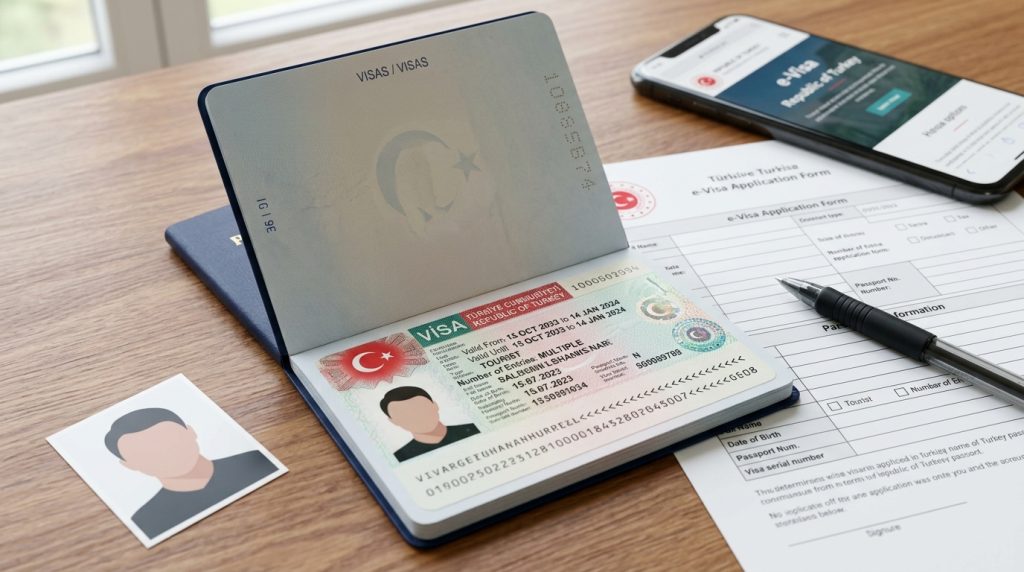
For standard American passport holders mapping out a short-term vacation or a brief corporate itinerary, keeping tabs on local visa parameters is the absolute first milestone of your planning phase. Because bilateral agreements and digital portal requirements shift periodically, referencing a comprehensive manual on the TURKEY VISA FOR AMERICANS pathway is highly recommended. This ensures you verify your exact citizenship tier, stay allocations, and entry protocols before locking in non-refundable airline reservations.
When preparing for travel, ensure your documentation meets the standard global baseline:
- The 150-Day Expiry Standard: Your passport must possess a minimum of 60 days of validity beyond your intended departure date from Turkey. For maximum safety at airport check-in counters, aim to have at least six months (150 to 180 days) of remaining validity.
- Blank Page Requirements: Ensure your physical passport has at least two entirely blank pages available for immigration officers to place official entry and exit stamps.
- The 90/180-Day Rule: Short-term tourist stays are rigidly restricted to a maximum of 90 days within any rolling 180-day window. Overstaying this legal parameter triggers immediate financial penalties, deportation risks, and potential long-term entry bans.
Minimizing Processing Delays: Mitigating Application Flaws
The convenience of automated digital travel portals often creates a false sense of security, causing applicants to rush through forms without cross-checking their personal data. Because immigration networks utilize advanced automated screening systems, the margin for data discrepancy is practically non-existent.
Understanding the specific mechanics of the online application form can save you substantial time, money, and emotional stress. Travelers should study a definitive breakdown of TURKEY VISA APPLICATION MISTAKES AND SOLUTIONS to ensure their paperwork navigates the government vetting process without a hitch.
To help you secure an unblemished submission, pay close attention to the three most frequent administrative errors:
1. Inexact Name and Passport Alignment
The automated scanners at border checkpoints require an absolute, character-for-character match with your physical credentials. If you accidentally omit your middle name, transpose digits in your passport number, or swap your first and last name fields on the application, the approved document becomes legally void. Always copy your data directly from the Machine-Readable Zone (MRZ) at the bottom of your passport photo page.
2. Confusing Passport Categories
The portal requires you to select your exact travel document type. The vast majority of international vacationers hold an “Ordinary Passport.” If you accidentally select “Official,” “Diplomatic,” or “Service” passport options on the online questionnaire while carrying a standard civilian passport book, you will be flagged and denied boarding at the gate.
3. Relying on Restrictive Email Inboxes
All official updates, confirmation links, and final downloadable PDF certificates are delivered electronically. Using an outdated corporate or academic email address that employs aggressive spam filters or firewalls can permanently block automated government messages, causing you to miss crucial confirmation windows.
Crafting a Strategic and Paced Turkish Itinerary
Once your administrative paperwork is flawlessly organized, you can shift your focus to the rewarding aspect of travel: building an exceptional itinerary. Because crossing the Atlantic involves long-haul flights and adapting to distinct time zones, pacing your route is vital to avoid total travel burnout.
A classic, well-rounded holiday typically kicks off in Istanbul, a sprawling metropolis that spans two continents. Dedicate your first few days to exploring foundational historical landmarks like the Hagia Sophia, the Blue Mosque, and the Topkapi Palace. Taking a relaxing sunset ferry or cruise along the Bosphorus Strait is an exceptional way to appreciate the legendary skyline while adjusting to the local time zone.
From Istanbul, taking a brief domestic flight to Central Anatolia introduces you to the otherworldly landscapes of Cappadocia. The volcanic valleys and ancient cave churches present a stunning physical contrast to the metropolitan energy of the coast, rounding out a truly magical historical journey.