Kenya serves as a vibrant gateway to East Africa, offering unparalleled wildlife experiences and rich cultural heritage. Whether you are planning a multi-country safari or a dedicated trip to the Kenyan highlands, understanding regional visa structures and health protocols is essential for a seamless 2026 adventure.
Exploring the Region with the EATV
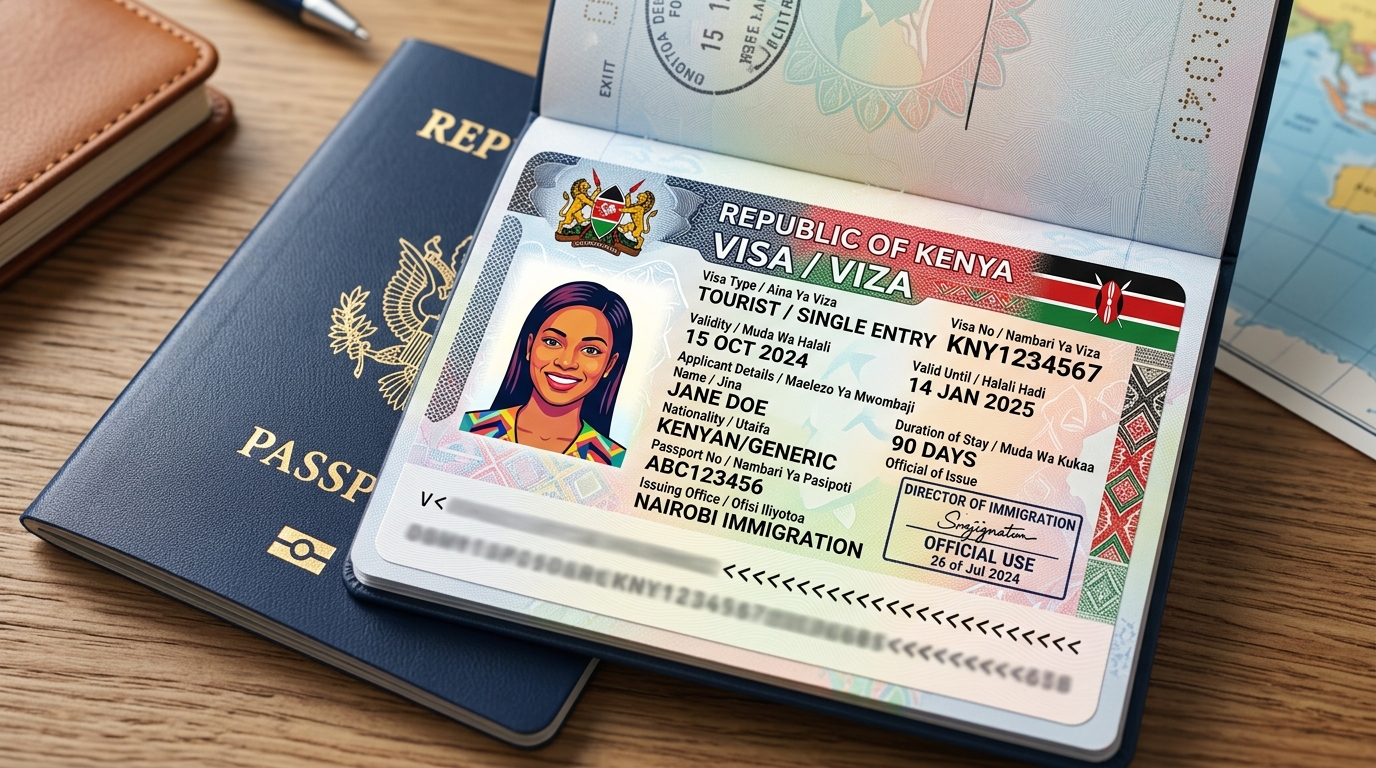
For travelers looking to experience the diversity of East Africa, the East African Tourist Visa (EATV) remains one of the most effective tools for a multi-country itinerary. This joint visa initiative covers Kenya, Uganda, and Rwanda, allowing visitors to cross borders between these three nations without the need for separate entry permits.
If you are planning to traverse these diverse landscapes, you should review the OVERVIEW OF EAST AFRICAN TOURIST VISA EATV to understand how it can simplify your travel logistics. Key considerations for 2026 include:
- Regional Scope: The EATV is valid exclusively for Kenya, Uganda, and Rwanda. Please note that Tanzania, Burundi, and other neighboring nations are not currently part of this visa scheme.
- The First-Entry Rule: You must apply for the EATV through the country that serves as your first point of entry into the region.
- Validity and Restrictions: The visa is valid for 90 days of multiple-entry travel within the three countries. It is strictly for tourism purposes; business, employment, or volunteer activities are prohibited.
- Travel Boundaries: Exiting the “tri-country zone” (e.g., flying to Tanzania or South Africa) invalidates the visa, necessitating a new application for re-entry.
Staying Healthy During Your Safari
Your health and safety are paramount when traveling through East Africa. Kenya has specific requirements and recommendations to ensure that visitors are well-protected against endemic illnesses. For comprehensive guidance tailored to your specific travel plans, please consult our VACCINE AND HEALTH ADVICE FOR TRAVEL TO KENYA.
Key Health Considerations for 2026:
- Yellow Fever: A valid Yellow Fever vaccination certificate is mandatory for all travelers arriving from countries where the disease is endemic. Ensure you carry your physical certificate, as digital copies may not always suffice at border checkpoints.
- Malaria Prophylaxis: Malaria remains a risk throughout most of Kenya. It is highly recommended to consult with a travel medicine specialist regarding appropriate anti-malarial medication for your specific itinerary, as the risk levels can vary depending on your destination and the duration of your stay.
- Routine and Recommended Vaccines: Beyond mandatory requirements, ensure your routine vaccinations (such as Tdap and MMR) are up to date. Depending on your itinerary, experts may also recommend vaccinations for Hepatitis A, Typhoid, and Meningococcal Meningitis.
- COVID-19 and Flu-like Symptoms: While generalized pre-departure COVID-19 testing is no longer required for entry, travelers arriving with flu-like symptoms may be subject to screening and additional testing at their own cost at the point of entry.
By securing your travel authorization early and consulting with a healthcare professional regarding your vaccination status, you can focus on the breathtaking wonders of the region with complete peace of mind. As you finalize your 2026 itinerary, remember that preparation is the hallmark of every successful traveler.