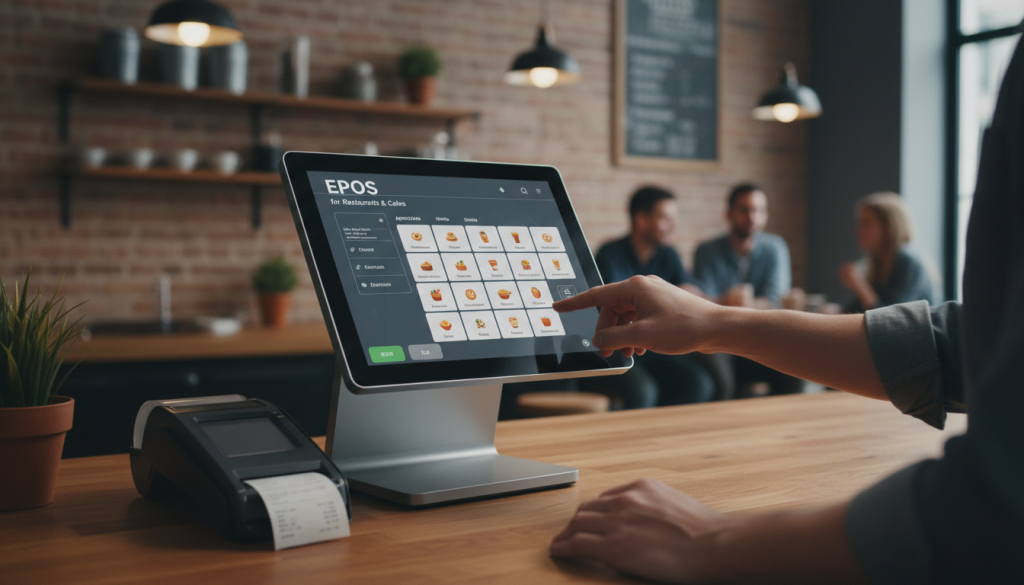
The London hospitality sector is one of the most dynamic and challenging environments in the world. From the trendy pop-ups in Hackney to the established fine-dining institutions of the West End, the pace is relentless, and the margins are notoriously tight. For many business owners, the difference between a thriving establishment and one that struggles often comes down to operational efficiency. In this landscape, the demand for an affordable POS for restaurants in London has never been higher, as restaurateurs seek to balance high-end functionality with cost-effective overheads.
The Evolution of the Digital Dining Experience
The role of the point-of-sale system has evolved far beyond the simple processing of transactions. Today, it serves as the central nervous system of a restaurant, connecting the front-of-house service with the back-of-house operations. In a city where real estate and labor costs are at a premium, technology must work harder to justify its presence.
An affordable POS for restaurants in London provides more than just a way to take orders; it offers a comprehensive suite of management tools. Modern systems now integrate inventory tracking, staff scheduling, and customer loyalty programs into a single interface. By consolidating these features, small to medium-sized enterprises (SMEs) can compete with larger chains that have traditionally had deeper pockets for bespoke technological infrastructure.
Enhancing Table Turnover and Service Speed
In the heart of the capital, “dead time” is the enemy of profitability. During the peak lunch hour in the City or the pre-theatre rush in Covent Garden, every minute counts. A slow or clunky system can lead to bottlenecks at the till, frustrated staff, and—most importantly—dissatisfied customers.
When looking for an affordable POS for restaurants in London, savvy owners prioritize speed and reliability. Cloud-based systems have revolutionized this area, allowing waitstaff to take orders via tablets directly at the table. These orders are instantly transmitted to the kitchen display systems, reducing the transit time for staff and minimizing the risk of miscommunication. This seamless flow not only improves the guest experience but also increases the number of “covers” a restaurant can handle during a single shift.
Data-Driven Decision Making
London’s dining scene is heavily influenced by rapidly changing trends and seasonal shifts. To stay ahead, managers need access to real-time data. An affordable POS for restaurants in London should provide detailed reporting that highlights which menu items are top performers and which are lagging behind.
By analyzing sales patterns, owners can optimize their menus, reduce food waste, and make informed decisions about pricing. This level of insight was once the preserve of major corporations, but the democratization of restaurant technology means that even a local neighborhood bistro can now operate with the precision of a global brand.
Navigating the Cost of Entry
One of the biggest hurdles for new startups in the capital is the initial capital expenditure. Traditional legacy systems often required thousands of pounds in upfront hardware costs and restrictive long-term contracts. However, the current market for an affordable POS for restaurants in London has shifted toward more flexible, subscription-based models.
This shift allows businesses to scale their technology as they grow. A small coffee shop can start with a basic setup and add modules—such as online ordering or multi-site management—as they expand to second or third locations. This “pay-as-you-grow” approach preserves vital cash flow during the critical early stages of a business.
Conclusion: Future-Proofing Your Establishment
As London continues to lead the way in global culinary innovation, the technology supporting our restaurants must be equally forward-thinking. Achieving a balance between cost and capability is the key to long-term sustainability. By investing in an affordable POS for restaurants in London, hospitality professionals are not just buying a tool for today; they are building a foundation for the future. In a city that never stops moving, having a reliable, efficient, and cost-effective system is the ultimate competitive advantage.